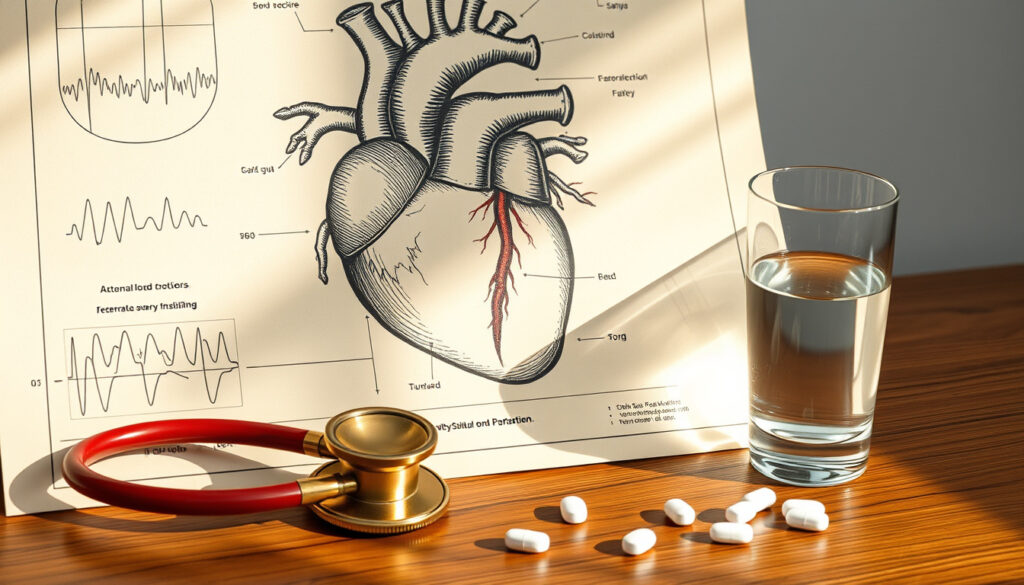
Symptoms of High Blood Pressure: Warning Signs to Watch
You might have gone years without a single check-up, feeling perfectly fine — that’s exactly how high blood pressure earns its nickname, the silent killer. According to the CDC (U.S. health authority), this guide walks you through the warning signs, causes, and lifestyle changes proven to keep your numbers healthy.
Adults worldwide with hypertension: 1.28 billion · Unaware of their condition: 46% · Annual deaths attributable to hypertension: 10.8 million · Normal blood pressure reading: Below 120/80 mmHg
Quick snapshot
- Blood pressure is the force of blood against artery walls. (CDC)
- Measured in mmHg with two numbers: systolic/diastolic. (Mayo Clinic)
- Hypertension is consistently high readings. (CDC) (CDC)
- Often no symptoms until serious damage occurs. (Mayo Clinic) (Cleveland Clinic)
- Increases risk of heart attack, stroke, kidney disease. (CDC) (Cleveland Clinic)
- Regular screening is the only way to detect it. (Cleveland Clinic)
- Normal: <120/80 mmHg. (Mayo Clinic)
- Elevated: 120–129/<80 mmHg. (Mayo Clinic)
- Stage 1: 130–139/80–89 mmHg. (Mayo Clinic)
- Stage 2: ≥140/90 mmHg. (Mayo Clinic)
- Crisis: ≥180/120 mmHg. (Mayo Clinic)
- If you have risk factors (family history, obesity, age). (CDC)
- If you experience any warning signs listed below. (Cleveland Clinic)
- For routine screening at least once a year after age 40. (Mayo Clinic)
Together, these four categories define the spectrum of risk.
Five key ranges define where your numbers sit — and each carries a different level of risk. One pattern: as the numbers climb, the danger to your heart, brain, and kidneys rises sharply.
| Category | Systolic (top number) | Diastolic (bottom number) |
|---|---|---|
| Normal | Less than 120 | Less than 80 |
| Elevated | 120–129 | Less than 80 |
| Stage 1 hypertension | 130–139 | 80–89 |
| Stage 2 hypertension | 140 or higher | 90 or higher |
| Hypertensive crisis | 180 or higher | 120 or higher |
The implication: a single, normal reading doesn’t guarantee safety — consistent monitoring matters most.
What are 10 warning signs of high blood pressure?
You can’t rely on symptoms to catch hypertension early. The majority of people with high blood pressure have no symptoms at all — even when readings are dangerously high. Regular screening is the only reliable detector.
Although most people never experience symptoms, the Mayo Clinic notes that a few may notice these signs when blood pressure reaches a severe or life-threatening stage:
- Severe headaches
- Fatigue or confusion
- Vision problems
- Chest pain
- Difficulty breathing
- Irregular heartbeat
- Blood in urine
- Pounding in chest, neck, or ears
- Nosebleeds
- Dizziness
The Cleveland Clinic adds that extremely high blood pressure can also cause seizures and changes to mental function. None of these are reliable early alerts because they typically only appear during a hypertensive crisis — when the reading is 180/120 mmHg or higher.
The pattern: waiting for symptoms means waiting for damage. The only reliable way to know your blood pressure is to measure it.
How will you feel when you have high blood pressure?
Common sensations reported by patients
- Often no feeling at all — high blood pressure is typically asymptomatic. (CDC)
- If symptoms occur, they may be similar to other conditions (anxiety, stress). (Mayo Clinic)
- Stress or anxiety can mimic symptoms of hypertension. (University of Utah Health)
Why feelings can be misleading
Because the condition is often silent, a person can have dangerously high pressure and feel perfectly fine. The Mayo Clinic warns that relying on “feelings” is dangerous — the only objective measure is a reading from a cuff.
The trade-off: peace of mind comes from checking, not from how you feel.
What are the 10 causes of high blood pressure?
Knowing the causes helps you target prevention. Most cases are linked to lifestyle, not genetics — meaning you have more control than you think.
Primary (essential) hypertension
For the majority of adults, no single identifiable cause exists. The CDC states that lifestyle factors such as poor diet, physical inactivity, and excess weight are major contributors.
Secondary causes
- Kidney disease
- Thyroid issues
- Sleep apnea
- Certain medications (University of Utah Health)
Risk factors
- Age (increases with age)
- Family history
- Obesity
- High salt intake
- Alcohol consumption
- Lack of exercise
The implication: identifying and treating secondary causes can often normalize blood pressure without lifelong medication.
How to avoid high blood pressure?
- Maintain a healthy weight — Excess weight strains the heart. (CDC)
- Eat a balanced diet (DASH diet) — Clinically proven to lower blood pressure.
- Reduce salt intake — The CDC advises limiting sodium to help manage pressure.
- Limit alcohol — Moderation matters.
- Exercise regularly — At least 30 minutes a day, 5 days a week. (CDC)
- Manage stress — Chronic stress can raise pressure. (CDC)
- Avoid smoking — Smoking damages blood vessels. (CDC)
The University of Utah Health notes that combining these steps can reduce or delay the onset of hypertension significantly.
Can you live a normal life with blood pressure?
Managing hypertension effectively
Yes — many people live normal lives with well-controlled blood pressure. The CDC states that treatment (lifestyle changes plus medication when needed) allows normal daily activities.
Medication and monitoring
If lifestyle changes aren’t enough, doctors prescribe medications that are safe for long-term use. Regular check-ups are essential to adjust treatment and track progress.
Long-term outlook
The Mayo Clinic reports that consistent management lowers the risk of heart attack, stroke, and kidney disease — restoring a normal life expectancy in most cases.
What are the 5 worst foods for blood pressure?
- Salt-heavy foods (processed meats, canned soups) — High sodium raises pressure. (CDC)
- Sugary beverages — Linked to weight gain and higher pressure.
- Red meat — Saturated fats contribute to artery stiffness.
- Fried foods — Trans fats and sodium combine poorly.
- Alcohol — Excessive intake increases risk.
The DASH diet, recommended by healthcare authorities, advises limiting these foods to keep numbers healthy.
The catch: cutting these foods isn’t just about subtraction — it’s about replacing them with heart-healthy alternatives.
What we know and what remains unclear
Confirmed facts
- Symptoms are usually absent in early hypertension. (CDC)
- Lifestyle changes effectively lower blood pressure. (CDC)
- Untreated hypertension leads to cardiovascular disease. (Mayo Clinic)
What’s unclear
- The exact mechanism of essential hypertension is not fully understood. (University of Utah Health)
- Whether certain symptoms (e.g., headache) are directly caused by high blood pressure or other factors. (Mayo Clinic)
- Whether high blood pressure can be reversed without medication depends on individual factors and is not guaranteed.
The balance of certainty and uncertainty underscores the need for regular monitoring and a proactive approach.
“Most people with high blood pressure have no symptoms, even if blood pressure readings reach dangerously high levels.”
“High blood pressure typically has no signs or symptoms. The only way to know is to get it checked.”
CDC (U.S. public health agency)
The consequence for anyone skipping regular checks is clear: you could carry untreated hypertension for years while it silently damages your heart and blood vessels. For the 46% of adults who don’t know they have it, the choice is straightforward: schedule a blood pressure reading today, or risk finding out the hard way.
Related reading: **Melatonin Side Effects: Risks, Safety, and What to Know** · **GLP-1 Reviews: Worth It? Side Effects & Weight Loss Truth**
For a more detailed look at key warning signs of hypertension, including when to seek medical attention, consult the referenced guide.
Frequently asked questions
Is a headache a sure sign of high blood pressure?
Not necessarily. While severe headaches can occur during a hypertensive crisis, most people with high blood pressure do not have headaches. The Mayo Clinic notes that headaches are not a reliable early symptom.
Can high blood pressure cause dizziness?
Yes, dizziness can be a symptom of extremely high blood pressure. The Cleveland Clinic lists dizziness among possible signs during a hypertensive crisis.
What does a hypertensive crisis feel like?
It may include severe headache, chest pain, shortness of breath, vision changes, or anxiety. However, some people feel nothing. A reading of 180/120 mmHg or higher requires emergency medical attention.
How often should I check my blood pressure at home?
The CDC recommends regular monitoring as part of management. For most people, checking once or twice daily at consistent times is sufficient, but follow your doctor’s advice.
Can young adults develop high blood pressure?
Yes. Lifestyle factors like poor diet, lack of exercise, and stress are increasing hypertension rates in younger populations. Routine screening is important regardless of age.
Does stress cause long-term hypertension?
Chronic stress contributes to elevated blood pressure. The CDC includes stress management in its recommendations for controlling hypertension.
Can high blood pressure be reversed without medication?
In some cases, weight loss, improved diet, exercise, and stress reduction can bring blood pressure back to normal. However, many people also require medication to achieve long-term control. A healthcare provider can guide the best approach.
More related posts
 Craig Silvey Guilty Plea: 2026 Update and Curriculum Ban
 Miranda Kerr: Age, Relationships, Net Worth, and More
 School Holidays Easter 2026: Ireland & UK Dates Guide
 Jo Bailey Biography: Age, Marriage, Career & Net Worth
 Laurence Escalante: $4.37B Empire, Faces Charges in Australia
 Aaron Pedersen Biography: Career, Movies, and Personal Life
 Peter Garrett: From Midnight Oil to Politics and Advocacy
 Catherine McClements: Biography, Career, and 2025 Projects
