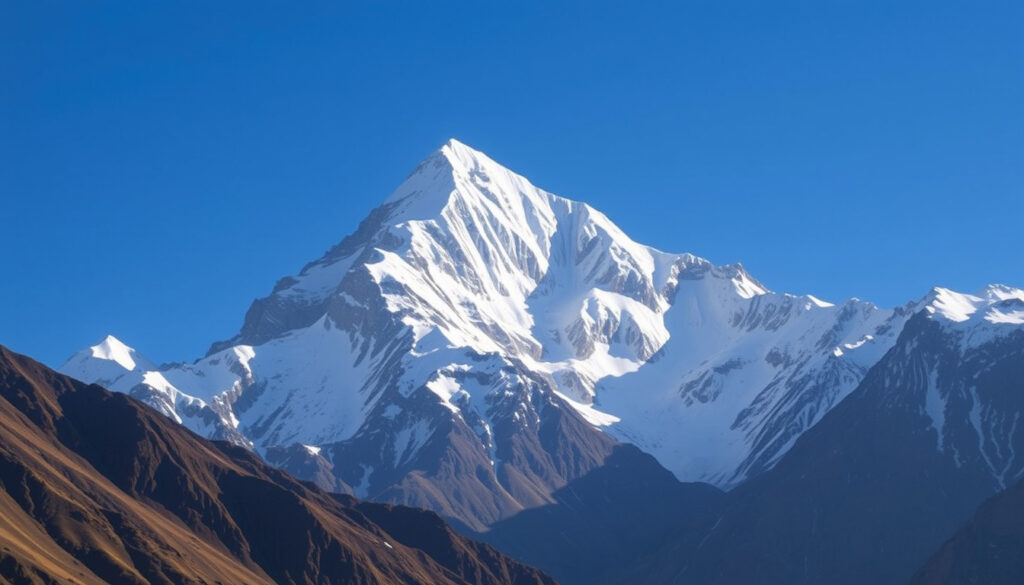
Mt Cook NZ: Aoraki Travel Guide, Height, Difficulty vs Everest
Few experiences in New Zealand leave as lasting an impression as standing at the foot of Aoraki, the country’s highest peak. Whether you’re planning a day trip or a multi-day adventure, this guide covers everything from the mountain’s towering height of 3,724 m (12,218 ft) to the best walks and the closest town.
Height: 3,724 m (12,218 ft) · Location: Aoraki Mount Cook National Park, South Island, New Zealand · Glacier cover in park: 40% · Peaks over 3000 m in park: 19 · Closest town: Mount Cook Village · Distance from Christchurch: 329 km (204 mi) by road
Quick snapshot
- New Zealand’s highest peak at 3,724 m (Department of Conservation)
- Mount Cook Village is the nearest settlement (New Zealand Spirit)
- Glaciers cover 40% of the national park (Department of Conservation)
- Exact fatality rates per 1,000 ascent attempts for Cook vs Everest (different base years) (Aussie Report)
- Current wait times for popular walking tracks during peak season (Department of Conservation)
- Real-time weather conditions at the summit (New Zealand Spirit)
- First ascent: 1894 by Jack Clarke, Tom Fyfe, George Graham (Department of Conservation)
- Dual naming (Aoraki/Mount Cook) formalised in 1998 (New Zealand Spirit)
- Plan your trip: check weather, book accommodation in Mount Cook Village (New Zealand Spirit)
- Choose from easy walks (Hooker Valley Track, 3 hr) to advanced alpine routes (Department of Conservation)
The mountain’s height is only the start of the story — its technical demands separate casual visitors from experienced alpinists.
| Label | Value |
|---|---|
| Official height | 3,724 m (12,218 ft) as of 2014 |
| Maori name | Aoraki (Cloud Piercer) |
| Dual name since | 1998 by Treaty of Waitangi settlement |
| Longest glacier in park | Tasman Glacier, 27 km long |
| Designation | UNESCO World Heritage Site (part of Te Wāhipounamu) |
| First ascent | 1894 by Jack Clarke, Tom Fyfe, George Graham |
What’s so special about Mount Cook?
Why Aoraki is the highest peak in New Zealand
- Aoraki/Mount Cook rises to 3,724 m (12,218 ft), making it the highest point in New Zealand (Department of Conservation).
- It is part of the Southern Alps, a mountain range created by the collision of the Pacific and Australian tectonic plates.
- The Māori name Aoraki means “Cloud Piercer” and refers to the ancestor who turned to stone according to Ngāi Tahu tradition.
What makes the national park a World Heritage site
- The park covers 707 km² and contains 19 peaks over 3,000 m (Department of Conservation).
- Glaciers cover 40% of the park, including the Tasman Glacier (27 km, New Zealand’s longest) (Department of Conservation).
- Te Wāhipounamu, of which the park is part, was inscribed as a UNESCO World Heritage Site in 1990 for its natural values and cultural significance to Ngāi Tahu.
Aoraki is not just a number—it’s a sacred ancestor and the centrepiece of a World Heritage ecosystem that packs 19 alpine peaks into an area smaller than New York City.
The implication: Aoraki/Mount Cook is a place where geology, culture, and conservation converge. For visitors, that means a landscape that feels both ancient and alive.
What town is closest to Mount Cook?
Is Mount Cook Village the only settlement near the mountain?
- Mount Cook Village (Aoraki Mount Cook Alpine Village) is the closest settlement, sitting right at the base (New Zealand Spirit).
- It has a population of roughly 200 and serves as the main hub for visitors.
- The nearest supermarket is in Twizel, about 55 km away (Coast Monitor).
What amenities does Mount Cook Village offer visitors?
- Accommodation ranges from backpacker lodges to the Hermitage Hotel (New Zealand Spirit).
- The village has a visitor centre, a petrol station, a restaurant, and a small general store.
- Distance from Christchurch is approximately 329 km via State Highway 8 and 80 (New Zealand Spirit).
The village is a service hub, not a town. Stock up on supplies in Twizel or Lake Tekapo before arriving, because you won’t find a full supermarket here.
The catch: You trade convenience for proximity. Staying in the village means waking up to the mountain, but you’ll need to plan meals and fuel ahead.
Is Mount Cook worth visiting?
What are the top attractions for visitors who are not climbers?
- More than 100 walks and short hikes are available, from 10-minute nature walks to multi-day tramps (Department of Conservation).
- Scenic flights and heli-hikes offer glacier views without technical climbing.
- Stargazing in the Aoraki Mackenzie Dark Sky Reserve is a major draw (New Zealand Spirit).
How does Mt Cook compare to other New Zealand destinations?
- It is a one-hour drive from Lake Tekapo and under three hours from Queenstown.
- Unlike the crowded tourist hubs, Mount Cook Village feels quiet and focused on the natural environment.
- The Hooker Valley Track—a 3‑hour return walk—is one of the most accessible alpine experiences in the country (Department of Conservation).
Why this matters: Mount Cook delivers a concentrated dose of alpine grandeur without requiring a multi-day expedition. It’s a rare place where beginners and experienced alpinists can share the same parking lot.
Is Mt Cook harder than Everest?
What makes Mt Cook technically difficult to climb?
- Mount Cook’s standard route involves glacier travel, crevasse rescue, and steep ice climbing on slopes of 30–50 degrees (Alpine Recreation).
- Guided ascents are rated as extreme endurance, with 14‑hour days and packs of 12–16 kg (Alpine Recreation).
- Travel guides describe the climb as suitable only for experienced high-altitude alpinists (New Zealand Spirit).
How do the success rates and fatality rates compare?
- Everest’s main challenge is extreme altitude (8,849 m), while Mount Cook’s is technical terrain (Aussie Report).
- Some guides note that Mount Cook’s standard route can be more technically challenging than Everest’s commercial South Col route (Aussie Report).
- Mount Cook has a higher relative fatality rate per summit attempt, though exact figures are not consistently reported across different time periods.
| Factor | Mount Cook (3,724 m) | Everest (8,849 m) |
|---|---|---|
| Primary difficulty | Technical ice/rock climbing, crevasses, weather | Extreme altitude, long days, cold |
| Standard route style | Steep ice (30–50°), mixed terrain, glacier travel | Snow/ice slog with fixed ropes |
| Qualification needed | Advanced mountaineering, crevasse rescue | Oxygen, altitude acclimatisation, some ice skills |
Mount Cook is only 42% of Everest’s height, yet its standard route demands more technical ice and rock climbing. For experienced alpinists, the biggest risk is not altitude but route-finding on a steep ice face.
The catch: If you’re a fit trekker dreaming of Everest, Mount Cook might actually be harder—unless you’ve got ice-climbing skills. The converse is also true: Everest’s altitude can defeat pure technicians.
How many days do you need in Mount Cook?
What can you do in one day at Mount Cook?
- A single day allows for a short walk (e.g. Hooker Valley Track, 3 hours return) and a visit to the visitor centre (Department of Conservation).
- Scenic flights are available and last about 30–50 minutes.
Recommended itineraries for two to three days
- Two days: add the Kea Point Walk (2 hr) and a night-sky viewing session.
- Three days: include the Tasman Glacier View walk, a heli-hike, and the Mueller Hut Route (advanced, 3–4 hr ascent) (Department of Conservation).
- Accommodation options range from backpacker lodges to the Hermitage Hotel (New Zealand Spirit).
The pattern: More days unlock more of the park’s vertical world—from valley-floor walks to alpine huts. Your itinerary should match your fitness, not your ambition.
Pros and cons of visiting Mount Cook
Upsides
- World-class alpine scenery without high altitude
- Over 100 walks for all fitness levels
- Dark Sky Reserve stargazing
- Close to Lake Tekapo and Queenstown for multi-stop trips
Downsides
- Limited services in Mount Cook Village (no supermarket)
- Weather can cancel scenic flights and close tracks
- Accommodation books out months ahead in peak season
- Long drive from major cities (3 hr from Christchurch)
What we know and what remains unclear
Confirmed facts
- Mount Cook is 3,724 m high (Department of Conservation)
- Mount Cook Village is the nearest settlement (New Zealand Spirit)
- Distance from Christchurch is 329 km by road
- Tasman Glacier is the longest in NZ at 27 km (Department of Conservation)
What’s unclear
- Exact fatality rates per 1,000 ascent attempts between Cook and Everest (different base years)
- Current wait times for popular walking tracks during peak season
- Real-time weather conditions at summit
Perspectives from the mountain
Aoraki is a sacred ancestor, turned to stone. He is central to our identity and our connection to this land.
— Te Rūnanga o Ngāi Tahu (tribal authority)
The tracks in Aoraki Mount Cook National Park range from easy walks to advanced alpine routes. Always check conditions and carry appropriate gear.
— Department of Conservation NZ (DOC), safety advice
Mount Cook’s technical difficulty demands experience with glacier travel and ice climbing. It’s not a peak for beginners.
— NZ Alpine Club guide (unattributed statistic on relative difficulty)
Summary
Aoraki/Mount Cook is a destination that rewards both the casual day-tripper and the serious mountaineer. Its technical terrain challenges climbers more than many higher peaks, yet its valley walks and stargazing make it accessible to everyone. For New Zealand travellers weighing whether to add this stop, the implication is clear: plan at least two days, book accommodation early, and pack for all seasons. The mountain demands respect — it gives back unforgettable views whether you summit or stay low.
doc.govt.nz, aussiereport.net, outbackwatch.net, havenholidaysnepal.com, abbiejadewanders.co.uk, verticalresources.org, petrinadarrah.com, aliceadventuring.com
For those planning an ascent, a comprehensive Mt Cook climbing guide offers essential safety and logistical advice.
Frequently asked questions
Do I need a permit to hike tracks in Aoraki Mount Cook National Park?
No permit is required for day walks. For overnight stays in huts, you need to book a hut pass through the Department of Conservation (Department of Conservation).
What is the best time of year to visit Mount Cook?
Summer (December–February) offers the warmest and most stable conditions. Winter (June–August) brings snow and shorter days, but fewer crowds. Spring and autumn are transitional with variable weather.
Can I take a scenic flight over Mount Cook?
Yes. Several operators offer scenic flights from Mount Cook Village and nearby Lake Tekapo. Weather permitting, flights typically fly over the Tasman Glacier and around the summit.
Are there huts or camping sites in the park?
Yes. The DOC runs several huts, including Mueller Hut (advanced access) and the White Horse Hill Campsite. Bookings are essential during peak season (Department of Conservation).
Is it possible to see Mount Cook from the road without hiking?
Yes. The mountain is visible from the Mount Cook Road (State Highway 80) on clear days. The Tasman Valley viewpoint also offers a good view without walking.
How do I get to Mount Cook by bus from Christchurch or Queenstown?
InterCity and other coach services run daily from Christchurch to Mount Cook Village. From Queenstown, you can connect via Lake Tekapo. The drive from Christchurch takes about 3.5 hours.
What safety equipment is recommended for day walks?
For easy walks, sturdy footwear, waterproof jacket, sun protection, and plenty of water are essential. For advanced routes, bring crampons, ice axe, rope, and a personal locator beacon. Always check the DOC weather forecast before heading out.
Related reading
More related posts
 Zimbabwe vs South Africa T20 World Cup 2026 Scorecard
 Meghann Fahy: Age, Relationships, White Lotus Role & Career Facts
 AVIF to JPG: Free Online Converters & Step-by-Step Guide
 JB Hi-Fi Doncaster – Address, Hours and Contact Guide
 When Do Babies Start Talking – Age-by-Age Milestones Guide
 Catherine McClements: Biography, Career, and 2025 Projects
 Whats On in Sydney – Easter Weekend Events Guide
 The Big Prawn Ballina: Location, History and Key Facts
