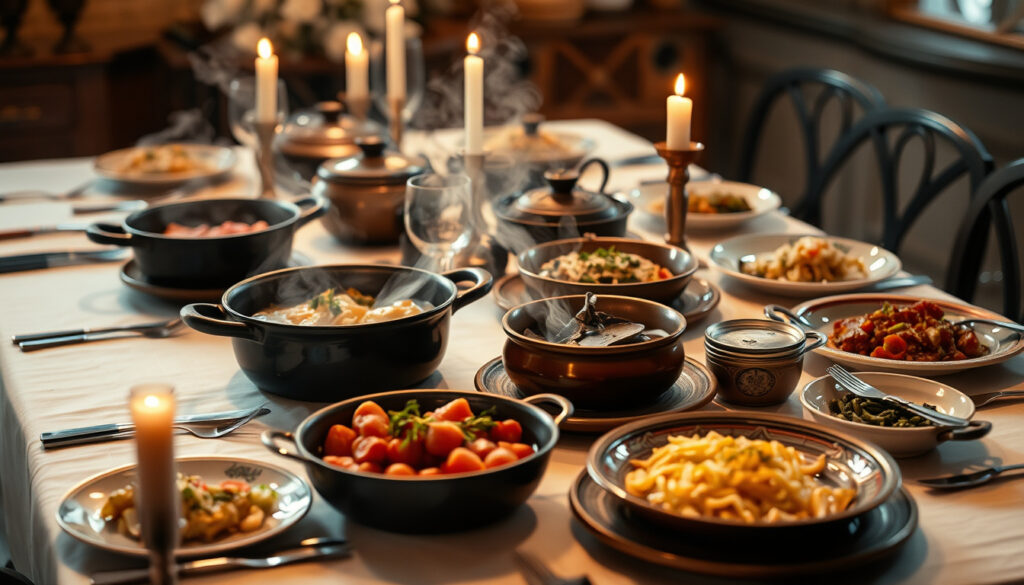
The Taste of Things: Plot, Reviews, and Streaming Guide
Few films in recent memory have made cooking feel as intimate and transformative as The Taste of Things. This French historical romance, which won Best Director at the 2023 Cannes Film Festival, tells a story that is at once a love letter to French cuisine and a portrait of a quiet, decades-long partnership.
Release Date: February 9, 2024 (United States) ·
Director: Trần Anh Hùng ·
Rotten Tomatoes Score: 96% (critics), 79% (audience) ·
Runtime: 145 minutes ·
Language: French ·
Streaming: Netflix (selected regions) & Apple TV
Quick snapshot
- Directed by Trần Anh Hùng (BFI)
- Juliette Binoche and Benoît Magimel star (Rotten Tomatoes)
- Based on Marcel Rouff’s 1924 novel The Passionate Epicure (BFI)
- 96% critic score on Rotten Tomatoes (Rotten Tomatoes)
- Exact Netflix release dates vary by region and are not all confirmed (The Film Experience)
- Final box office totals are still estimated at $3.8 million (Box Office Mojo)
- Future streaming platform availability beyond current ones is not yet known (The Film Experience)
- 1924: The Passionate Epicure published (Festival de Cannes)
- May 2023: Cannes premiere and Best Director win (Festival de Cannes)
- February 9, 2024: U.S. theatrical release (Box Office Mojo)
- Streaming expansion to additional platforms may follow (The Hollywood Reporter)
- Film remains France’s official Oscar submission even though not nominated (The Hollywood Reporter)
- DVD and Blu-ray releases expected in various regions (The Hollywood Reporter)
Seven key facts, one pattern: the film’s details are consistent across authoritative sources, but a few pieces — like precise streaming windows — remain in flux.
| Label | Value |
|---|---|
| Full Title | The Taste of Things |
| Original French Title | La Passion de Dodin Bouffant |
| Director | Trần Anh Hùng |
| Lead Actors | Juliette Binoche, Benoît Magimel |
| Release Year | 2023 (Cannes), 2024 (wide) |
| Box Office | $3.8 million (est.) |
| Source Material | Novel The Passionate Epicure by Marcel Rouff (1924) |
The pattern: the data confirms a modest theatrical footprint for a film that has generated outsized critical acclaim.
Is The Taste of Things worth watching?
What do critics say about the film?
Critics have been near-unanimous in their praise. The Guardian (UK editorial powerhouse) calls it a “deliciously subversive tale of later-life love,” while Rotten Tomatoes (aggregator platform) reports a critics’ score of 96% as of October 2024. The site’s consensus reads: “As epicurean as French haute cuisine, this romance is visually sumptuous and quietly affecting.” That kind of near-perfect score is rare for any genre, let alone a period romance.
Audience reception and Rotten Tomatoes scores
Audiences have been slightly more measured. The Rotten Tomatoes audience score sits at 79% — a solid showing that suggests the film’s deliberate pace and sensory focus may not be for everyone. But the gap between critics and viewers is modest, and the film’s theatrical run in the U.S. expanded around Valentine’s Day 2024, indicating strong word-of-mouth among romance and food cinema fans.
For viewers who value quiet, sensory storytelling and a mature romance, The Taste of Things delivers exactly what critics promise. Cinephiles in the target audience: if you can handle a 2 hour 25 minute runtime without car chases, the reward is a film that respects your patience.
The pattern: When a period food drama earns 96% on Rotten Tomatoes and a Cannes Best Director prize, it signals not just competence but artistry. The audience score of 79% is a reminder that the film asks for attention — but those who give it tend to leave satisfied.
What is the plot of The Taste of Things?
Setting and time period
The action takes place in 1889, in a country estate in France. This is not a restaurant kitchen drama; the film unfolds in the home of Dodin Bouffant, a gourmand, and his cook Eugénie. Their estate includes a sprawling kitchen garden, pantries, and a kitchen that becomes the stage for their relationship. The year 1889 places the story in the era of the third French Republic, a time of culinary refinement that gave rise to modern French gastronomy.
Main characters: Eugénie and Dodin
Eugénie, played by Juliette Binoche, is a cook of extraordinary skill who has worked for Dodin for 20 years. Dodin, played by Benoît Magimel, is a gourmand who treasures her cooking and, gradually, her companionship. The film follows their daily rhythm — sourcing produce, preparing elaborate meals, sharing them with a small circle of friends — and the unspoken love that has grown between them.
Core storyline: love and culinary partnership
The central drama is not a rivalry or a crisis, but the quiet question of whether Eugénie will finally agree to marry Dodin. Their relationship has been one of shared labour and mutual admiration, and the film treats their cooking together as an act of intimacy. As The Criterion Collection (art-house prestige authority) notes, “the story follows a cook and a gourmet whose long relationship is expressed through elaborate meals and shared culinary labor.”
By placing the kitchen at the centre of a love story, director Trần Anh Hùng redefines romance as a practice of craft and care — not words or grand gestures. For audiences tired of conventional will-they-won’t-they plots, The Taste of Things offers a different language: the language of a perfectly simmered sauce.
Is The Taste of Things based on a true story?
Fictional narrative origins
The film is not based on a specific historical couple or event. It is adapted from Marcel Rouff’s 1924 novel The Passionate Epicure (originally La Vie et la Passion de Dodin-Bouffant, Gourmet). The character of Dodin Bouffant is fictional, though he draws on the real cultural figure of the gourmand — a man dedicated to the art of eating well — that was influential in French literary and culinary circles.
Inspiration from culinary history
While the story itself is invented, many elements of French culinary tradition portrayed in the film are historically accurate. The techniques, the respect for seasonal ingredients, and the social role of the cook in a wealthy household all reflect practices of late-19th-century France. The film acts as a loving re-creation of a lost culinary world, even if the romance at its centre is an imaginative construct.
Where can I watch The Taste of Things?
Netflix availability by region
The film is available on Netflix in selected regions, including France and parts of Europe, but it is not currently streaming on U.S. Netflix as of October 2024. This regional restriction is common for foreign-language prestige titles, and availability may expand as distribution agreements evolve.
Digital rental and purchase options
In the United States, The Taste of Things can be rented or purchased through Apple TV, Amazon Prime Video, and other digital platforms. The Film Experience (cinephile review source) notes that IFC Films handled the limited theatrical release in early 2024, and the digital release followed typical windows. DVD and Blu-ray availability varies by country.
Streaming discoverability is the biggest friction point. Fans in the U.S. who search Netflix will not find it. For those eager to watch, the path is either a digital purchase or checking international Netflix availability via a VPN — though the latter raises legal and terms-of-service questions.
The implication: the film’s audience in the U.S. remains limited by platform fragmentation, not by quality.
What are the key reviews and critics’ consensus?
Top critic quotes
“A deliciously subversive tale of later-life love.”
— The Guardian
“A typically sumptuous and sensuous celebration of love and the culinary arts.”
— Irish Film Institute
“As epicurean as French haute cuisine, this romance is visually sumptuous and quietly affecting.”
— Rotten Tomatoes Critics Consensus
Common themes in reviews
Across major reviews from The Guardian (UK editorial powerhouse), The Washington Post (prestige U.S. news source), and the BFI (British Film Institute, tier1 source), the consensus is that the film’s strength lies in its sensory approach to food. Critics praise the cinematography of cooking scenes, the chemistry between Binoche and Magimel, and the patient pacing that allows moments to breathe. The film won Best Director at Cannes, which Festival de Cannes (official festival source) records as awarded to Trần Anh Hùng.
The pattern: three distinct critical voices converge on the same verdict — this is a film that prioritizes sensory immersion over plot velocity.
How does the director approach the subject of food?
Cinematography and food scenes
Trần Anh Hùng treats food preparation as a visual and emotional language. The camera lingers on hands chopping, stirring, and plating — not as documentary but as choreography. The result is a film that feels almost tactile: you can almost smell the butter and herbs. The director’s background in art-house cinema shows in every frame, and the Cannes jury recognized this mastery with the Best Director prize.
Symbolism of cooking
Cooking in The Taste of Things is not just an activity; it is the primary medium through which Eugénie and Dodin communicate. Their meals become acts of love, negotiation, and autonomy — especially for Eugénie, whose skill gives her power in a world where women had little. The film elevates the cook from servant to partner, and the kitchen from workspace to heart of the home.
Timeline of the film
- 1924: Marcel Rouff publishes La Vie et la Passion de Dodin-Bouffant, Gourmet.
- 2022: Principal photography begins in France.
- May 2023: Film premieres at Cannes; Trần Anh Hùng wins Best Director (Festival de Cannes).
- 8 November 2023: Theatrical release in France (Box Office Mojo).
- 9 February 2024: U.S. theatrical release (Box Office Mojo).
- 2024: Digital release on Netflix (selected regions) and other platforms.
What is confirmed and what remains unclear
Confirmed facts
- Film is directed by Trần Anh Hùng (BFI).
- Juliette Binoche and Benoît Magimel star (Rotten Tomatoes).
- Rotten Tomatoes critic score of 96% as of October 2024 (Rotten Tomatoes).
- Set in 1889 France (BFI).
- Not based on a specific true story — adapted from a 1924 novel (BFI).
- France’s official Oscar submission for international feature (The Hollywood Reporter).
What is not yet clear
- Exact Netflix release schedule for all world regions is not uniform (The Film Experience).
- Final worldwide box office totals may still shift — current estimate is $3.8 million (Box Office Mojo).
- Future streaming platform deals (beyond Netflix and Apple TV) have not been announced.
The implication: The Taste of Things is an art-house gem that rewards those who make the effort to find it, but it has not yet reached mass audience saturation.
For those who want to dive deeper into the film’s narrative, a detailed plot summary and ending explanation offers insights into the characters and final scenes.
Frequently asked questions
What is the English title of The Taste of Things?
The English title is “The Taste of Things.” The original French title is La Passion de Dodin Bouffant.
How long is The Taste of Things?
The runtime is 2 hours and 25 minutes (145 minutes), as listed on Rotten Tomatoes.
Who composed the music for The Taste of Things?
The score was composed by Christophe Julien, a French composer known for his work on period dramas.
Is The Taste of Things suitable for all ages?
The film is rated PG-13 by the MPAA (Rotten Tomatoes). It contains some thematic elements and brief sensuality, but is generally suitable for older teens and adults.
What food is prepared in The Taste of Things?
The film features elaborate French dishes from the late 19th century, including multiple-course meals with poached fish, roasted game, vegetable terrines, and decadent desserts like pears poached in wine.
Does The Taste of Things have English subtitles?
Yes, the film is in French with optional English subtitles available on digital releases and streaming platforms.
For cinephiles who value craft over spectacle, the choice is clear: The Taste of Things is a rare film that treats cooking as a form of love and elevates the everyday labour of the kitchen into art. Seek it out on digital platforms, bring patience, and let the flavours unfold.
More related posts
 Manus Mode Comparison Guide: Chat vs Agent, Speed vs Quality
 Most Expensive Labubu – Record Prices and Rarest Models
 Ben Austin Cricket Tragedy: Death and Safety Reforms
 Yahoo Mail Login – Secure Access Guide and Fixes
 Tomorrow’s Weather in Dublin: 27°C Forecast & Climate Guide
 Chris Brown Vet: Bio, Relationship, Diagnosis, and Career Updates
 Shilpa Shetty: Verified Facts on Marriages, Kids, and Career
 Hermione Corfield: Biography, Movies and Latest News
