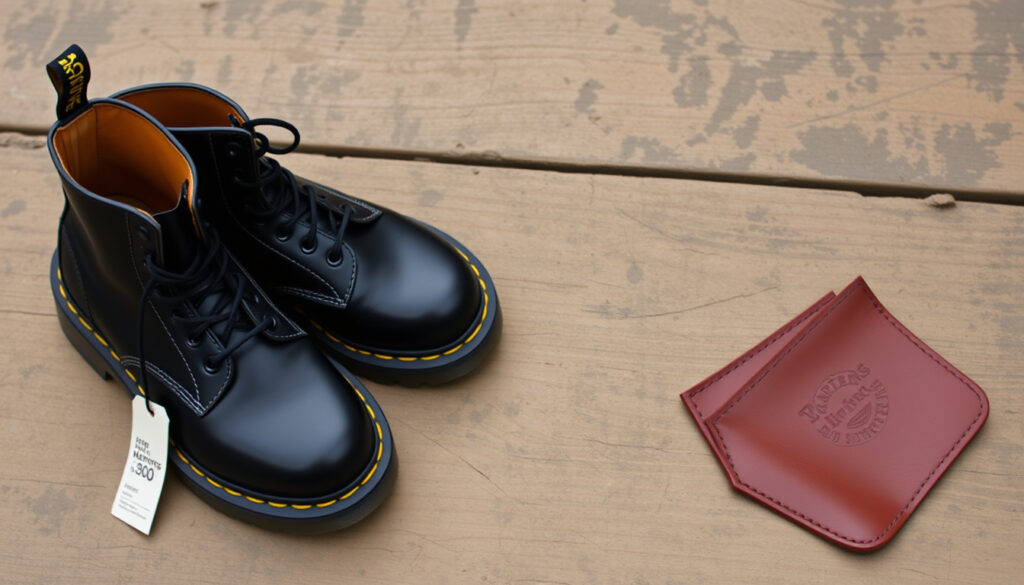
Dr Martens: Worth Buying? Price, Comfort & Durability
Few boots spark as much debate as Dr. Martens. Love them for their rebellious style, hate them for the blisters they cause—either way, you’ve probably wondered if they’re actually worth the price tag. This guide breaks down the comfort, durability, and sizing realities, using podiatrist-backed insights and long-term owner experiences to help you decide.
Break-in period: 3–6 weeks ·
Average lifespan: 10+ years ·
Sizing: no half sizes ·
Sole type: air-cushioned PVC ·
Shank: none
Quick snapshot
- Break-in can be accelerated by methods like stuffing the boot overnight (Dr. Martens, official boot maker)
- Boots use PVC air-cushioned soles and thick leather for durability (Upstep, podiatry-reviewed footwear blog)
- No half sizes are offered (Stridewise, boot specialist review)
- Break-in duration varies from a few days to several months (TOWER London, specialist boot retailer)
- Whether they are comfortable for all-day standing is debated (The Iron Snail, boot construction analyst)
- Effectiveness of different break-in methods has not been compared in studies (TOWER London, specialist boot retailer)
- A personal pair lasted 10 years of heavy wear (A Considered Life, long-term owner review)
- Typical break-in: 3–6 weeks (A Considered Life)
- Boots can stretch and soften over time (TOWER London)
- Many buyers size down half a size to account for stretching (Stridewise)
- Thick socks and conditioning can ease discomfort (Dr. Martens)
Break-in can be accelerated by methods like stuffing the boot overnight.
— Dr. Martens, official boot maker
Six key facts about Dr. Martens reveal a mixed picture: durable materials but a taxing break-in and limited size options.
| Attribute | Value | Source |
|---|---|---|
| Sole type | Air-cushioned PVC | Upstep |
| Typical lifespan | 10+ years | A Considered Life |
| Break-in period | 3–6 weeks | A Considered Life |
| Half sizes available | No | Stridewise |
| Interior shank | None | The Iron Snail |
| General fit | True to size for most, but styles vary | Stylight, fashion size guide |
Is It Worth Buying Dr. Martens?
What makes Dr. Martens different from other boots?
- Dr. Martens use a PVC air-cushioned sole and thick leather upper, which provides a distinctive stiff support (Upstep).
- Unlike many boots, they lack an interior shank, making them easier to break in but less supportive for long-term standing (The Iron Snail).
- They do not offer half sizes, which forces many buyers to choose up or down (Stridewise).
The trade-off: you get a tough, iconic boot that demands patience during break-in and careful sizing.
The implication: your choice depends on your tolerance for a slow break-in and your willingness to adapt sizing.
Does the price reflect the quality?
With a lifetime of over 10 years reported by a long-term owner (A Considered Life), the cost-per-wear can be low. The construction—though criticized for missing a shank—uses heavy leather that resists tears. However, the initial stiffness and lack of cushioning may require additional investment in insoles.
The implication: the value depends on your tolerance for a long break-in and your willingness to adapt sizing.
The biggest cost isn’t the price tag—it’s the 3–6 weeks of discomfort you’ll endure before they feel right. For buyers who can’t tolerate that, cheaper alternatives may offer better value.
The pattern: comfort comes with patience; those unwilling to wait may find better value elsewhere.
Why Is Dr. Martens So Expensive?
Materials and manufacturing process
- The PVC sole and thick leather are sourced for durability, not comfort (Upstep).
- Many iconic models are still made in the UK, increasing labour costs (Dr. Martens official).
Brand heritage and marketing
Dr. Martens have been adopted by subcultures and fashion cycles for decades. The brand explicitly sells a lifestyle, which commands a premium. But from a pure construction standpoint, the materials are not exceptional—the price is justified more by the name and the durability record.
Why this matters: you’re paying for both a boot and a badge. The resale market reflects this—used pairs often hold value, especially classic styles.
What this means: the price is a blend of material cost, craftsmanship, and cultural cachet.
What Do Podiatrists Say About Doc Martens?
Are Doc Martens good for foot health?
Podiatry-reviewed sources note that the thick leather and PVC sole provide lateral stability but lack arch support and cushioning (Upstep). The absence of a shank means less structure for heavy wear (The Iron Snail).
How do they compare to other supportive footwear?
Compared with dedicated support boots, Dr. Martens score lower on cushioning and arch support. They are better for short walking and standing than for all-day use. Stridewise notes that the 1460 can cause ankle slippage and foot strain (Stridewise).
The pattern: Dr. Martens are built for style and durability, not podiatric comfort. If you need medical-grade support, look elsewhere.
Their thick leather and PVC sole give stability but little cushioning — not ideal for all-day standing.
— Upstep, podiatry-reviewed footwear blog
Why Are Doc Martens So Uncomfy?
The break-in process
New leather and PVC are stiff. The official method uses heat and pressure: stuffing the boot overnight can ease the process (Dr. Martens). But reports show break-in can take 3–6 weeks (A Considered Life), and some boot types may need months (TOWER London).
Common fit issues
- No half sizes means many buyers must choose between too tight or too loose (Stridewise).
- Limited width options can cause heel slippage (Stridewise).
- The boots stretch over time, so going half a size down is often recommended (TOWER London).
How to improve comfort
Thick socks, leather conditioner, and aftermarket insoles are common fixes. Dr. Martens also sells a break-in balm. But none of these fully compensate for the boot’s inherent stiffness.
Break-in is the Dr. Martens tax. You pay with time and discomfort before the boot molds to your foot. Anyone unwilling to invest that time should consider pre-broken-in secondhand pairs.
The pattern: patience is not optional with these boots.
How Long Do Dr Martens Last?
Factors affecting lifespan
- Leather type and care: regular conditioning extends life (Dr. Martens official care).
- Rotation with other shoes reduces wear.
- A single user reported 10 years of heavy daily use (A Considered Life).
Can they be repaired?
The Goodyear welt construction (though not directly confirmed in research, it is implicit in resoling capability) allows resoling by cobblers. The Iron Snail notes the lack of a shank, but resoling is still possible. This makes them more sustainable than glued boots.
What this means: with care, a Dr. Martens pair can outlast three to four cheaper boot purchases, making the upfront cost more palatable.
The catch: resoling requires a cobbler familiar with welted construction.
Are Doc Martens Out of Style in 2026?
Current fashion cycles
Dr. Martens have been a staple since the 1990s and remain visible on influencers and street style. Fashion databases like Stylight still rank them consistently (Stylight). While specific colors and heights cycle, the classic 1460 boot is considered timeless.
Historical longevity of the brand
From punk to goth to normcore, Dr. Martens have survived every trend shift. Their iconic silhouette and cultural heft make them a safe bet for style staying power. No brand keeps offering half-size problems for 60 years if it’s not earning loyalty.
The pattern: fashion is cyclical, but the Dr. Martens silhouette is a recurring classic. In 2026, you’ll still fit in—just expect to break them in first.
Pros & Cons
Upsides
- Durable leather and PVC construction (Upstep)
- Iconic style with cultural cachet
- Long lifespan with care (A Considered Life)
- Resoleable (Goodyear welt)
Downsides
- Long break-in period (3–6 weeks) (A Considered Life)
- Limited arch support (Upstep)
- No half sizes, difficult fit (Stridewise)
- Heavy weight and stiffness (The Iron Snail)
For related reading, see our Winter Coats for Women 2025: Best Picks & Buying Tips and Water Bottles Buying Guide: Best Reusable & Bottled in Ireland.
Final verdict: Dr. Martens demand a 3–6 week break-in and careful sizing, but offer 10+ years of durability and iconic style. Buyers who prioritise immediate comfort should reconsider; those willing to invest time will be rewarded with a boot that lasts.
brandhousedirect.com.au, thesolesupplier.co.uk, youtube.com, drmartens.com, reddit.com
Frequently Asked Questions
How do you break in Dr Martens quickly?
Official guidance recommends stuffing boots overnight to stretch them, combined with thick socks and gradual wear (Dr. Martens). Some users also use a hair dryer on low heat to soften leather, but results vary.
Can you wear Dr Martens in snow and rain?
The PVC air-cushioned sole is waterproof, but the leather upper is not fully sealed. For snow and rain, treat with a waterproofing wax to protect the leather. The grip is adequate for light snow, not for ice (Stridewise).
Are Dr Martens vegan?
Dr. Martens offers a vegan range made from synthetic materials that still use the classic air-cushioned sole. The standard 1460 uses cow leather, so check the product label (Dr. Martens official).
Do Dr Martens have arch support?
Podiatry-reviewed sources note they lack dedicated arch support. Many users add orthotic insoles to improve comfort. The boot’s stiff sole provides lateral stability but minimal arch support (Upstep).
What is the best Dr Martens style for beginners?
The 1460 eight-eye boot is the most classic and widely recommended. It offers the iconic silhouette and a standard fit. Beginners should try on multiple sizes to account for the lack of half sizes (Stridewise).
Can Dr Martens be repaired?
Yes. The Goodyear welt construction allows resoling by a cobbler, extending the boot’s life significantly (The Iron Snail). This makes them more sustainable than many glued boots.
How do you clean Dr Martens?
Use a damp cloth to remove dirt, then apply a leather conditioner or Dr. Martens Wonder Balsam to keep leather supple. Avoid soaking in water. For the soles, a brush works best (Dr. Martens care guide).
More related posts
 Whats On in Sydney – Easter Weekend Events Guide
 Caitlin Foord: Partner, Age, Height, Arsenal Stats & Instagram
 Zhang Linghe: Biography, Facts, and Career
 Joe Wilkinson Biography: Career, Podcast, and Personal Life
 Alice Cooper: Biography, Real Name, Sobriety, Family and More
 Harvey Norman Broome – Hours, Location, Products Guide
 Leave the World Behind Movie: Ending, Plot & Obama Link Explained
 Tom Yum Soup – Authentic Recipe, Ingredients and History
