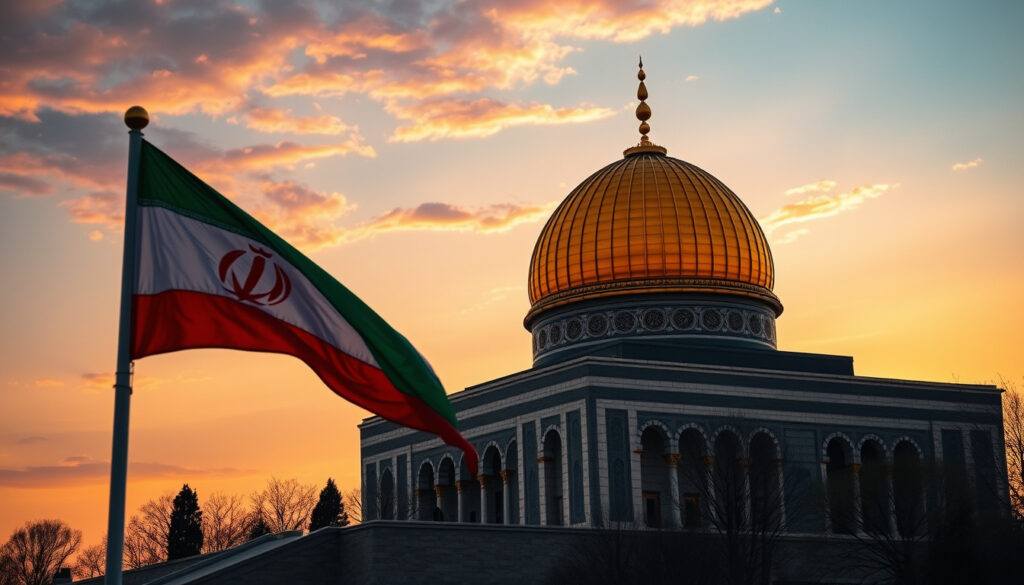
Ayatollah Khomeini: Biography, Iranian Revolution, and Death
Few figures have reshaped a nation as dramatically as Ayatollah Khomeini did to Iran in 1979. The Shia cleric led a revolution that toppled a monarchy and established an Islamic Republic, becoming its first Supreme Leader.
Born: 17 May 1900 — Died: 3 June 1989 — Title: First Supreme Leader of Iran — Religion: Shia Islam — Cause of death: Heart attack
Early Life (1900–1964)
- Born in Khomeyn, Iran Encyclopaedia Britannica
- Studied Shia theology Encyclopedia.com
- Became a prominent cleric
Exile and Opposition (1964–1979)
- Exiled to Iraq in 1964 Wikipedia
- Moved to France in 1978 University of Michigan
- Led opposition to the Shah Encyclopaedia Britannica
Islamic Revolution and Supreme Leader (1979–1989)
- Returned to Iran in 1979 University of Michigan
- Established the Islamic Republic Reuters
- Served as first Supreme Leader Wikipedia
Death and Legacy
- Died on 3 June 1989 Encyclopaedia Britannica
- Funeral attracted millions Wikipedia
- Ideology continues to influence Iran
| Full Name | Ruhollah Mostafavi Khomeini |
| Born | 17 May 1900 |
| Died | 3 June 1989 |
| Title | First Supreme Leader of Iran |
| Religion | Shia Islam |
| Successor | Ali Khamenei |
| Cause of Death | Heart attack |
What is Ayatollah Khomeini famous for?
Ayatollah Khomeini is best known as the leader of the 1979 Iranian Revolution that overthrew the Shah. He established the Islamic Republic of Iran and served as its first Supreme Leader from 1979 until his death in 1989. His political ideology, often called Khomeinism, blended Shia Islam with anti-imperialism and shaped the new regime’s structure.
Early life and exile
Born Ruhollah Mostafavi Khomeini in 1900 (or 1902, depending on the source), he studied Shia theology and became a marja‘ (religious authority). After speaking out against the Shah’s reforms, he was exiled in 1964, first to Iraq and later to France, where he continued to rally opposition.
Role in the Iranian Revolution
From exile, Khomeini issued statements and cassette tapes calling for the Shah’s overthrow. When the Shah fled in January 1979, Khomeini returned to Tehran to mass acclaim. The subsequent referendum established an Islamic Republic with Khomeini as its ultimate authority.
“The Islamic government is a government of law. The ruler is subject to the law and must act within its framework.” — Ayatollah Khomeini
Khomeini’s writings on Islamic government
The implication: Khomeini’s leadership shifted Iran from a monarchy to a theocracy, embedding clerical authority into the state’s foundation.
What has happened to Ayatollah Khomeini?
Khomeini died on 3 June 1989 after a prolonged illness. His death triggered one of the largest funerals in history, marred by a crowd crush that killed hundreds. His legacy remains deeply influential in Iran and across the Shia world.
Exile to Iraq and France
Encyclopaedia Britannica notes that Khomeini was exiled following his opposition to the Shah’s White Revolution. He spent over a decade in Najaf, Iraq, before moving to Neauphle-le-Château, France, in 1978, where he gained international media attention.
Return to Iran in 1979
University of Michigan’s timeline records his return to Tehran on 1 February 1979, where he was greeted by millions. He quickly consolidated power and became Supreme Leader after the March referendum.
Death and funeral
Khomeini died at 22:20 IRST on 3 June 1989, according to Wikipedia. The cause is officially listed as a heart attack, but his daughter claimed he had stomach cancer. His funeral attracted an estimated 10 million mourners, with a stampede that killed between 300 and 500 people.
“Khomeini was Iran’s ultimate political and religious authority for the next 10 years after the revolution.” — Encyclopaedia Britannica
The pattern: Khomeini’s death did not diminish his influence; his ideology and succession plan ensured the theocracy endured.
What does Ayatollah mean in Iran?
“Ayatollah” literally translates to “sign of God” in Arabic. In Shia Islam, it is a high-ranking title given to senior jurists and scholars who are recognized as marja‘ (sources of emulation). The title is not formal or state-granted but emerges from religious credential and community recognition.
Literal meaning
The word comes from the Arabic “āyah” (sign) and “Allāh” (God). It implies that the cleric is a visible sign of God’s presence in the world.
Usage in Shia Islam
Encyclopedia.com explains that Khomeini was both a Shi‘i Muslim cleric and a marja‘. The title is used for leading jurists who issue fatwas and guide followers. Unlike the pope, there is no single “Ayatollah” — multiple figures hold the rank simultaneously.
Why did Iran turn Islamic?
The 1979 revolution transformed Iran from a Western-backed monarchy into a theocratic Islamic Republic. Khomeini’s leadership channeled widespread dissatisfaction with the Shah’s autocracy, economic inequality, and perceived cultural imperialism.
Dissatisfaction with the Pahlavi dynasty
Mohammad Reza Pahlavi’s regime was seen as corrupt and repressive. The Shah’s secret police, SAVAK, crushed dissent, and his close ties to the United States angered nationalists and clerics alike.
Khomeini’s leadership and vision
Britannica describes Khomeini as the political leader of the revolution. He offered a clear vision: an Islamic government based on vilayat-e faqih (guardianship of the jurist), where clerics hold ultimate authority.
Establishment of a theocracy
A March 1979 referendum asked Iranians to choose between monarchy and Islamic Republic. With overwhelming support, Khomeini became Supreme Leader, cementing clerical rule.
Is an Ayatollah like a pope?
While both are prominent religious figures, the differences are profound. The pope heads a centralized hierarchy (the Catholic Church) with defined doctrinal authority. Ayatollahs operate in a decentralized Shia system where no single cleric holds universal jurisdiction. In Iran, the Supreme Leader is the highest political authority, a role that the pope does not hold in any modern state.
Here is a comparison:
| Attribute | Ayatollah (Shia) | Pope (Catholic) |
|---|---|---|
| Title meaning | Sign of God | Father (from Latin papa) |
| Hierarchy | Decentralized; multiple Ayatollahs exist | Centralized; single pope |
| Political role | Can hold state power (e.g., Supreme Leader) | Spiritual leader; Vatican City head of state |
What this means: The comparison highlights how Shia clerical authority can be both religious and political, unlike the pope’s primarily spiritual role.
How many people died at Ayatollah Khomeini’s funeral?
Estimates range from 300 to 500 deaths in a crowd crush during the funeral procession on 6 June 1989. Wikipedia reports that the funeral was one of the largest in human history, with millions on the streets. The stampede occurred when the casket broke open and people surged.
Estimates and reports
The exact number remains uncertain. Some sources say 300; others claim up to 500. The Iranian government has never released an official confirmed figure.
Funeral stampede
The chaos unfolded as mourners tried to touch the body. The incident is a tragic footnote to an otherwise historic event.
“Khomeini’s funeral drew an estimated 10 million people, making it one of the largest gatherings in history.” — Wikipedia
Warning: The cause of Khomeini’s death is disputed. While official records list a heart attack, his daughter stated he had stomach cancer. The lack of a transparent autopsy leaves ambiguity.
Note: Khomeini’s birth date also has a discrepancy: Britannica gives 24 September 1902, while most other sources use 17 May 1900. This is a documented biographical inconsistency.
Timeline
- 1900: Born in Khomeyn, Iran Wikipedia
- 1964: Exiled to Iraq after speaking against the Shah Encyclopaedia Britannica
- 1978: Moved to France and increased opposition activities University of Michigan
- 1979: Returned to Iran, led the Islamic Revolution, became Supreme Leader Reuters
- 1980–1988: Iran–Iraq War
- 1989: Died on 3 June; funeral with 300–500 casualties Wikipedia
Rumors and Unclear Facts
- Cause of death: Officially heart attack, but daughter says stomach cancer. Wikipedia
- Funeral deaths: Estimates 300–500, but no official count. Unclear.
- Birth date: 17 May 1900 (common) vs 24 Sep 1902 (Britannica). Discrepancy.
Related reading: Kim Jong-Il: Life, Death, and Legacy of North Korea’s Leader
simple.wikipedia.org, bbc.co.uk, newworldencyclopedia.org, public.websites.umich.edu, it.wikipedia.org
Frequently Asked Questions
How many wives did Ayatollah Khomeini have?
Khomeini had two wives. His first wife was Khadijeh Saqafi, whom he married in 1929; she died in 2009. His second marriage produced no children.
Who succeeded Ayatollah Khomeini as Supreme Leader?
Ali Khamenei succeeded him in 1989. Encyclopedia.com states that Khomeini designated Khamenei before his death.
How old was Ayatollah Khomeini when he died?
He was 89 years old according to his commonly accepted birth year of 1900, or 86 if using Britannica’s 1902 date.
Was Ayatollah Khomeini Shia or Sunni?
He was a Shia Muslim, specifically Twelver Shia, and a marja‘ (religious authority).
Is Ayatollah Khomeini still alive?
No, he died on 3 June 1989.
Why was Ayatollah Khomeini exiled?
He was exiled in 1964 after giving a speech denouncing the Shah’s capitulation to U.S. military personnel immunity.
Khomeini’s legacy continues to define Iran’s political and religious identity. His actions set a precedent for clerical rule that persists under Supreme Leader Ali Khamenei.
More related posts
 Shiva God: Roles, Facts, Names, and Comparisons
 Riz Ahmed: British Pakistani Actor, Oscar Winner & Rapper
 Ken Done: Art Value, Biography, Net Worth, and Facts
 Lisa Gilroy: Biography, Career, and Famous Roles
 Camila Morrone: Biography, Age, and DiCaprio Relationship
 Garth Tander: Marriage, Net Worth & Retirement Facts
 Justin Baldoni: Biography, Net Worth, Blake Lively Feud
 Anthony Albanese Daughter – PM Has No Daughter, Only Son
